#teams

18 posts · Last used Oct 01

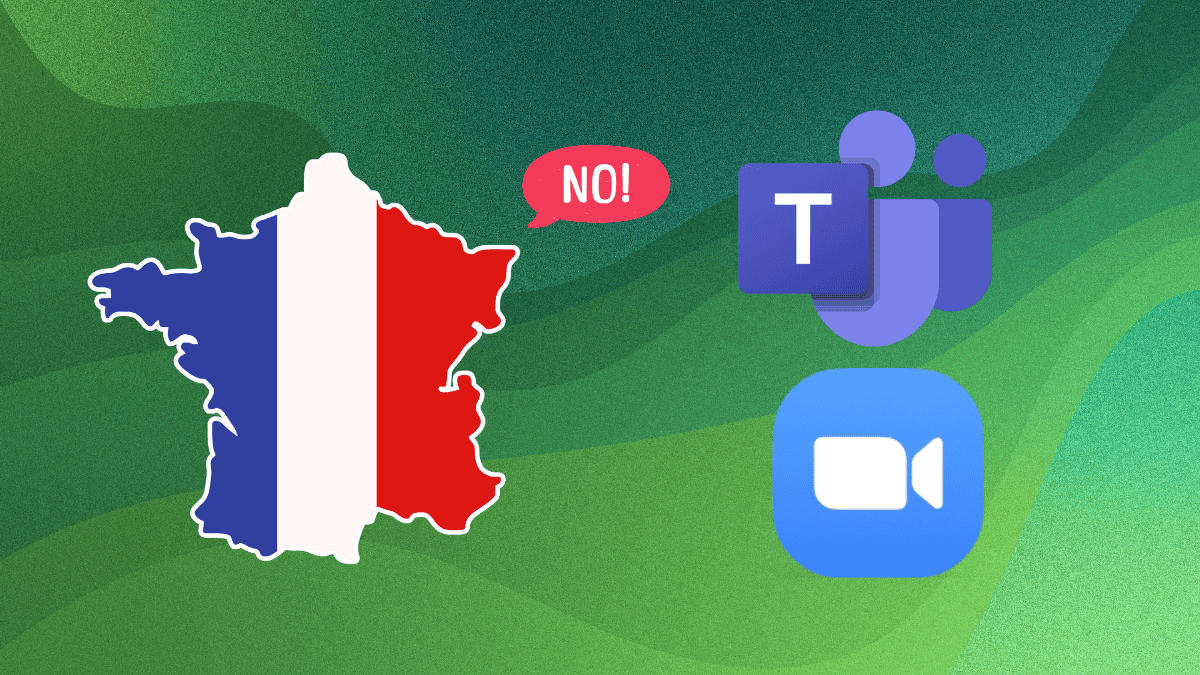
So, the @EUCommission@ec.social-network.europa.eu has rolled out @element@mastodon.matrix.org chat as a backup system to their default #Teams for the 33k officials. One official defended the new #Matrix-based system on an internal chat, according to Politico, by saying Teams wasn't as secure because "all we have is a guarantee that #Microslop [sic!] will not peek inside," and how can anyone not love that official. #DigitalSovereignty #DigitalSecurity #e2ee
219
9
160
2
From our Check Point Research team: #Microsoft Login Abuse Check Point researchers have revealed a phishing campaign that abuses Microsoft’s legitimate login and consent process through attacker-controlled applications. More than 200 emails targeted approximately 120 organizations within one month. Successful authorization provided access to mailboxes, files, #Teams, #SharePoint, #OneDrive, and calendar information. https://blog.checkpoint.com/email-security/attackers-are-turning-microsofts-trusted-login-system-into-their-latest-phishing-weapon/ #CheckPoint #CheckPointSoftwareTechnologies
0
0
0
0

n.

Welcome to Microsoft TEAMS We need you to sign in again. This could be for various vague reasons even though it happens every goddamn time.

There is an impossibly small button here, which reads "Sign In." You already know clicking it will do nothing, except possibly cause you to wonder if perhaps you mis-clicked it.

There is a spinning icon here.

Your sword is glowing faintly.

#microsoft #teams

39
8
16
0
I tried auto-collapsing the app bar in #Teams, but it just meant an extra click whenever I had a notification and those extra clicks were adding up. Likewise with the app names - I had them turned off, but I have plenty of screen space to show them and I couldn't always remember what the app icons were for.
0
0
0
0
Replying to
Organisational Dysfunction of the Day Working alone together Context: The pandemic forced a global experiment nobody had planned. Offices emptied overnight, and something unexpected happened. People managed. Many thrived. The commute nobody missed, the open-plan office nobody pined for, the meetings that turned out to work fine as calls. When offices reopened, a significant number of people simply did not want to come back, at least not every day. The debate that followed framed this as a question of productivity, collaboration, or work-life balance. It missed the more uncomfortable signal. When given the choice, a large number of people revealed they prefer to work alone. That is not a statement about remote work. That is a statement about what going to the office actually felt like. OST explains: In DP1, the bureaucratic structure, work is individualised by design. Tasks are broken into minimal parts, each assigned to one person, with coordination handled above. The office under DP1 is not a place of genuine collaboration; it is a place of proximity without connection. People sit near each other, manage their own tasks, protect their own position, and attend meetings where decisions have usually already been made. The six psychological requirements for productive work include mutual support and respect, and continual learning through real feedback from people you work with as peers. DP1 delivers neither. Of course, people prefer to stay home. Home is quieter, the coffee is better, and nobody is watching. In DP2, the group is the unit of work. Coordination, learning, and support all happen in the group, not above it. People in genuine DP2 structures report wanting to be with their colleagues because the group is where the work actually lives. The WFH debate is really a DP1 debate. The office stopped being worth the commute long before the pandemic. The pandemic just made it impossible to pretend otherwise. #OpenSystemsTheory #SocioTechnical #OrgDesign #teams


31
31
21
2
After ~3 weeks of inactivity, stupid #Teams won't let me log into the system with my organizational "guest" type account, and all it says is that "a problem occurred". Way to go, #Microslop!
0
0
1
0