#threatmodeling

12 posts · Last used Aug 31

W dyskusjach o cyberbezpieczeństwie coraz częściej pojawia się cyfrowy fatalizm. Wizja taniej inwigilacji zautomatyzowanej przez sztuczną inteligencję potrafi przytłoczyć, zniechęcając do jakichkolwiek działań ochronnych. To prawda, że nie mamy wpływu na rozwój tych technologii oraz na to, że rządy po nie sięgają. Warto jednak pamiętać o podstawowej zasadzie analizy ryzyka i skupić się na tym, co realnie kontrolujemy. Sztuczna inteligencja nie jest jasnowidzem. Aby zautomatyzowany system mógł zadziałać i wytypować obywatela, bezwzględnie potrzebuje odpowiedniego wsadu. Te algorytmy predykcyjne karmią się danymi z telemetrii gromadzonej przez korporacje oraz informacjami, które sami dobrowolnie udostępniamy w sieci poprzez OSINT. Dlatego właśnie podstawowa cyfrowa higiena to wciąż nasza najskuteczniejsza tarcza. Odcinając urządzenia od ciągłego wysyłania danych w tle oraz zachowując rozsądek w publikowaniu informacji o sobie, zatrzymujemy produkcję paliwa dla tych systemów u samego źródła. Brak danych u pośredników oznacza ślepe algorytmy. #cyberbezpieczenstwo #prywatnosc #higienacyfrowa #infosec #cybersecurity #privacy #opsec #threatmodeling #osint
4
2
3
0
W nawiązaniu do wczorajszego tekstu o tym, że prywatność prosto z pudełka nie istnieje, przypominam moją serię o cyfrowej higienie. Pokazuję tam w praktyce, że bezpieczeństwo to codzienne nawyki. Część pierwsza o odzyskiwaniu kontroli: https://eteryu.space/cyfrowa-higiena-podczas-przerwy-na-kawe-jak-atwo-odzyskac-kontrole-nad-telefonem/ Część druga o izolacji toksycznych aplikacji: https://eteryu.space/cyfrowa-higiena-bez-kompromisow-jak-atwo-odizolowac-toksyczne-aplikacje/ Część trzecia o odcinaniu algorytmów: https://eteryu.space/cyfrowa-higiena-bez-podgladaczy-jak-atwo-odciac-algorytmy-i-zabezpieczyc-zdjecia/ Ta seria będzie kontynuowana. W kolejnych tekstach weźmiemy na warsztat bezpieczne zarządzanie hasłami oraz dywersyfikację danych. Zanim to jednak nastąpi, na blogu pojawi się bardzo ważny wpis tłumaczący od podstaw modelowanie zagrożeń. Zanim go opublikuję, mam dla Was zadanie na start. Zastanówcie się i odpowiedzcie sobie szczerze na jedno pytanie: przed kim dokładnie chronicie swoje informacje? Sprecyzowanie przeciwnika to absolutny fundament, od którego musicie zacząć budowę własnego modelu bezpieczeństwa. #infosec #cyberbezpieczenstwo #prywatnosc #bezpieczenstwo #opsec #higienacyfrowa #threatmodeling #cybersec
6
3
6
0
🛡️ USecVisLib — open-source Universal Security Visualization Library. Attack trees, attack graphs, STRIDE threat models, MAESTRO AI-agent threat modeling, binary viz & more. Python + FastAPI + Vue 3. Apache 2.0. https://github.com/vulnex/usecvislib #infosec #threatmodeling #opensource #redteam #blueteam
1
0
0
0
The next one in the #peoplebehindosco series is Felix. Hi @Gronner@infosec.exchange 👋 Felix is a software engineer with more than 10 years experience in the automotive and medical industry. Working at XITASO he focuses on building secure and safe systems. Besides that he provides trainings on security, safety, software architecture and Rust. To learn in and with a community he organises the SWEC and is a member of the iSAQB. He loves learning by exploring: building small embedded system or tools, mostly in Rust. In his spare time he enjoys playing pen & paper games, miniature figure painting and playing the drums. His Tags: #AppSec, #Embedded, #Rust, #ThreatModeling Thank you very much for your work as a volunteer and your support in organizing the Open Security conference. Stay tuned and follow the hashtag #peoplebehindosco for more people behind osco.
7
5
5
0
AI won't replace threat modeling fundamentals, but it will change how you work. Join Adam Shostack for our 4-day Threat Modeling Intensive with Complete AI at Black Hat USA 2026, Aug 1-4 in Las Vegas. See where LLMs help, where they fail, and where human judgment still wins. Regular pricing ends July 17. 🔗 https://shorturl.at/CmBtW Read more: https://shorturl.at/aPqVP #ThreatModeling #BlackHat2026 #InfoSec #AI
0
0
0
0
Replying to
Full argument — including historical cases and what "nothing to compel" looks like in production: @arcticbison@paragraph.com If you're building for threat models that include hostile state actors or legal compellability, I'd like to hear how you're approaching it. #infosec #privacy #opsec #threatmodeling #cloudinfrastructure
0
0
0
0
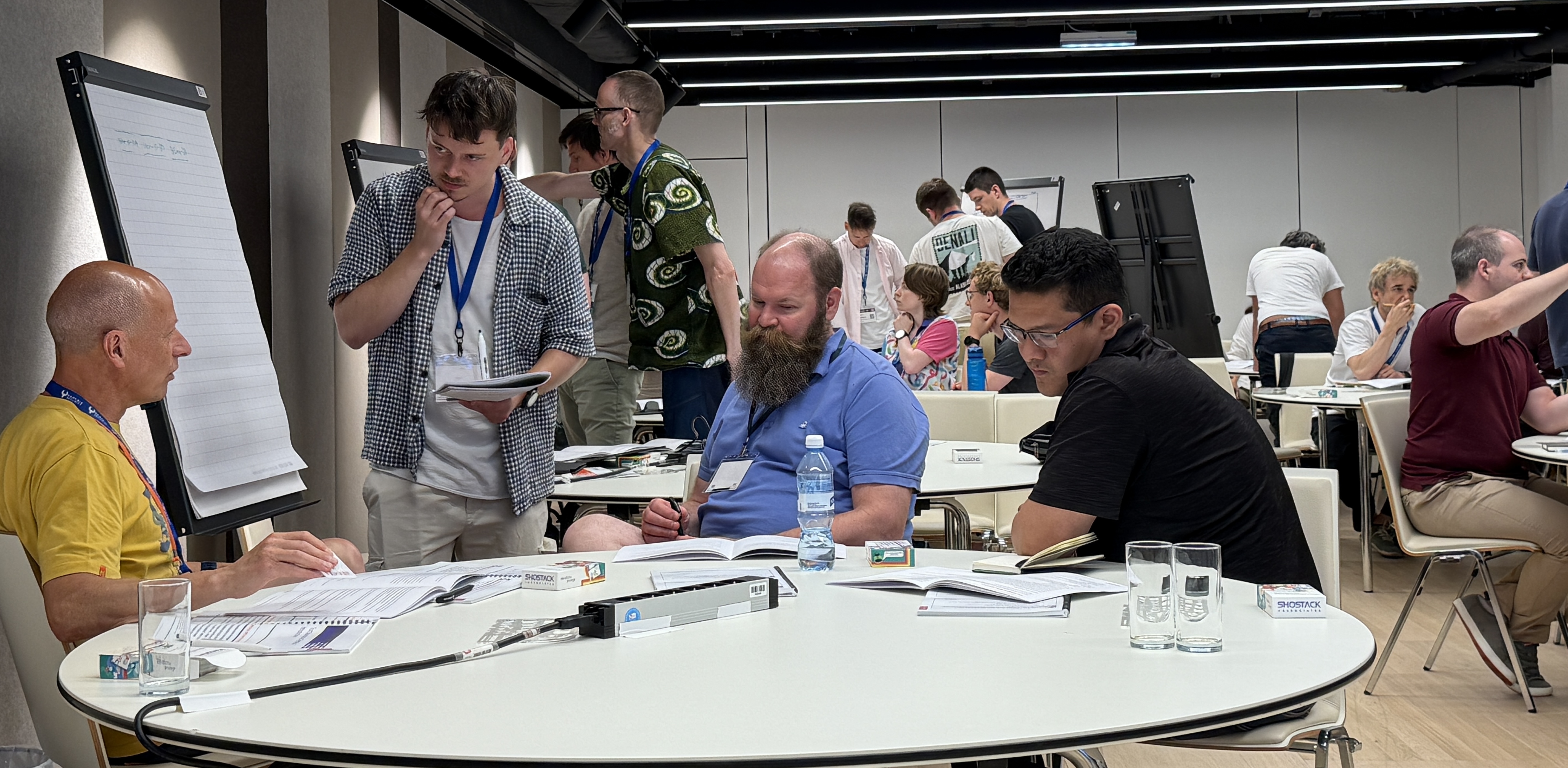
The S+A team had a blast in Vienna at OWASP Global AppSec EU 2026 🇦🇹 From leading our Threat Modeling Intensive to meeting fellow members of the AppSec community, we loved the turnout and the lively discussions. Thanks to everyone who showed up with intention, dove deep, and learned by doing! We shared some reflections on the training in our blog post 👇 https://shostack.org/blog/owasp-to-blackhat-recap/#ThreatModeling #AppSec #OWASP
0
1
0
0
Replying to
Missed OWASP Global AppSec EU? No worries — the S + A team is heading to Black Hat USA 2026 next! Join our new 4-day Threat Modeling Intensive with Complete AI (Aug 1–4). We cover threat modeling fundamentals plus how to use LLMs in your workflow, where things go wrong, and AI-specific threat modeling skills. Prices go up after July 17 — register now: https://blackhat.com/us-26/training/schedule/index.html#adam-shostacks-threat-modeling-intensive-with-complete-ai-51473#BlackHat2026 #ThreatModeling #AI
0
0
0
0
Replying to
📩 Send me a message or visit shehackspurple.ca to learn more about training, workshops, and speaking opportunities. tanya AT shehackspurple DOT ca #SecurityAwarenessMonth #AppSec #SecureCoding #ThreatModeling #AISecurity #CyberSecurity 4/4
2
0
1
0

New preprint: AI_Bleeding — inference cost amplification via OOD linguistic payload

TL;DR: send queries in Grecanico or Farsi to an LLM endpoint → TTFT +59.8%, compute cost +2.8%, statistically significant. No vuln, no volumetric signature, evades all standard detection.

Worst case: exposed unauthenticated Ollama instance with num_predict=4096 + keep_alive=300s → Amplification Factor 17.56 Wh/KB. 3KB of attacker bandwidth → enough energy to charge a phone 5%.

Especially nasty for:

  • PA/judicial chatbots on fixed budgets
  • Pay-per-use API deployments with client-side exposed keys
  • PNRR-funded public sector AI with zero inference monitoring

Four scenarios: EDoS, browser JS distribution, Ollama open-proxy relay, frontier providers as involuntary relays.

All tests on self-hosted Ollama, no commercial endpoints touched.

Paper (CC BY 4.0): https://doi.org/10.13140/RG.2.2.26767.96166

#llmsecurity #infosec #threatmodeling #ollama #ood #AI #AIResearch #aisecurity

8
0
6
0