#postquantum

16 posts · Last used Aug 10

New here. I'm a solo dev, and I built Phantom Chat — a post-quantum encrypted, anonymous messenger for iOS. No phone number, no email. The crypto is source-available, so you can read it and tell me where I'm wrong. I'll be posting the honest work of building it: the code, the bugs I found in my own crypto, the limitations. Here to learn from this community. #Introduction #InfoSec #PostQuantum
3
0
3
0
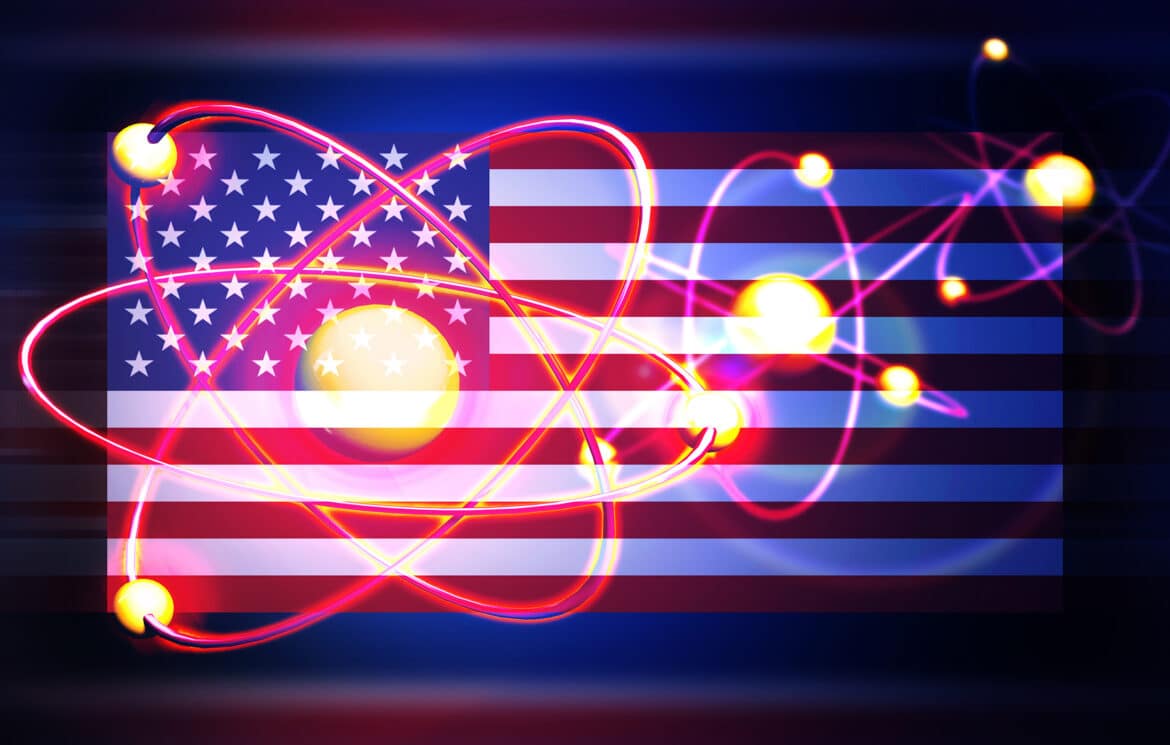
After the White House quantum summit, I tested the claim that America built "every layer of the quantum stack." Eight layers. Named researchers. Primary sources. Quick scorecard: The PQC algorithms (ML-KEM, ML-DSA, SLH-DSA) that NIST standardized and that EO 14412 mandates for federal systems? Designed almost entirely by Europeans and Canadians. CWI (Netherlands), Bochum (Germany), IBM Zurich (Switzerland), ENS Lyon (France), Waterloo (Canada). NIST ran the process — that's a real institutional win. But the algorithmic content is international. The enabling infrastructure is even more striking. Dilution refrigerators from Finland (Bluefors) and UK (Oxford Instruments) dominate the market that cools US superconducting quantum computers. Domestic manufacturing exists (Maybell in Denver, Bluefors's Syracuse operation) but the US remains substantially dependent on European-headquartered suppliers. Control electronics from Switzerland (Zurich Instruments), Israel (Quantum Machines), Germany (Rohde & Schwarz). The CHIPS Act quantum investments are partly a response to these dependencies. On the science side: Josephson junction predicted at Cambridge (1962). First superconducting qubit demonstrated at NEC Japan (1999). Surface code traces to Kitaev (Russia). Steane code from Oxford. qLDPC codes from French and Russian mathematicians. The US built the strongest commercial integration and scaling layer. That is a real and hard-won capability. It is not the same as sole authorship of the entire stack. Policy implication: "we built everything" leads to different supply chain decisions than "we built the best integration layer, and it depends on allied supply chains." The second framing is more accurate and produces better policy. Full article with every claim sourced: https://postquantum.com/quantum-sovereignty/who-built-the-quantum-stack/ #quantum #PQC #infosec #cryptography #postquantum #supplysecurity #quantumcomputing #cybersecurity
12
2
7
0
Replying to

And here come the Sage scripts 🍿

4
2
3
0
Somehow I missed this paper from Infleqtion earlier this year (April 2026) where they implemented Shor's (pre-compiled, non-scalable) on neutral atom infrastructure and observed "improved logical-over-physical performance, including with loss correction and leakage detection, achieving up to a 2x reduction in TVD." #PQC #postquantum
0
2
0
0
#introduction ShieldFive — zero-knowledge encrypted file storage where post-quantum is the default, not a toggle. Files are encrypted in your browser under ML-KEM-1024 + XChaCha20-Poly1305 (HKDF combiner) before they reach us. We only ever hold ciphertext. The client-side crypto is a standalone Apache-2.0 library — the same code your browser runs, so you can diff what's published against what's served to you. Honest limits up front: no external audit yet, browser-only client, anonymous share links are classical-only. We'd rather you find the holes than not. Spec + test vectors: https://github.com/shieldfive/crypto Built in the open by @chogarcia@infosec.exchange. #cryptography #PostQuantum #infosec #privacy
2
0
4
0
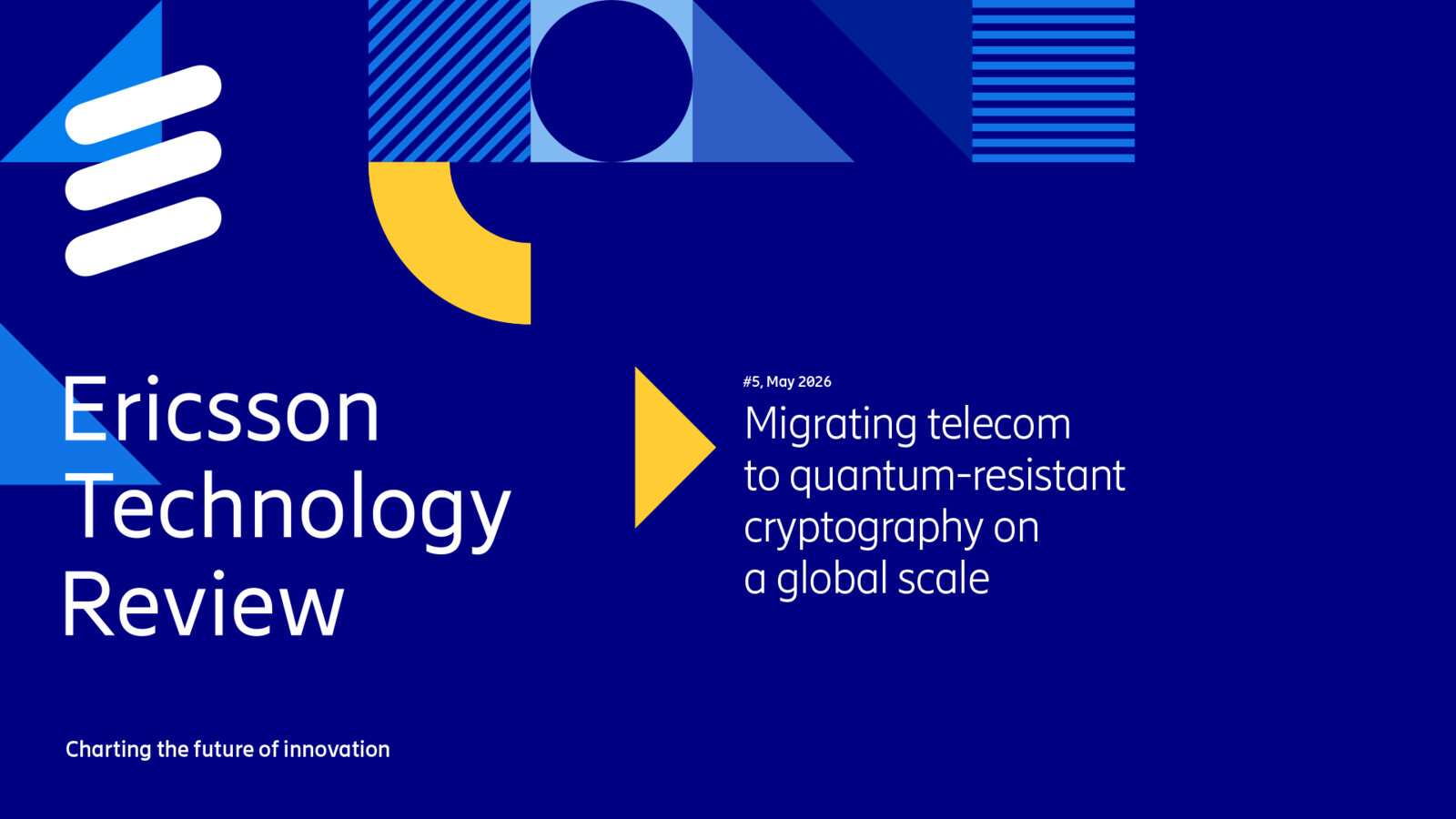
Our technology review on the transition to #postquantum #cryptography in #telecommunications just came out. :) Big transition, somewhat happening in the shadows of loud hype things, but with also many interesting developments. It's like cryptography's new and fresh again after decades of being delightfully still. ;)
0
0
0
0